Key takeaways
- Concrete handles heavy traffic and cleans easily.
- Different areas of a business need different finishes.
- Work can be phased to keep you open.
- Maintenance programs protect the investment.
Why concrete
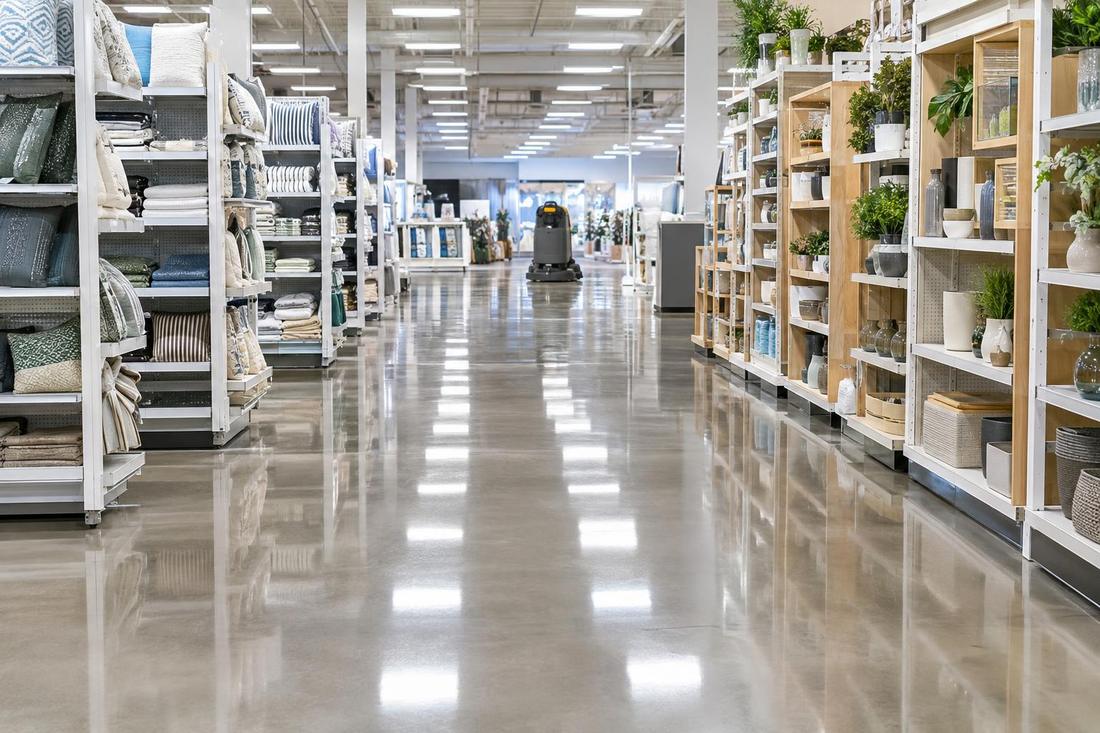
Commercial floors take rolling loads, constant foot traffic and daily cleaning. Polished and coated concrete is durable and has few seams where dirt hides. Reflective floors can make interiors brighter and reduce lighting needs.
Concrete is also a simple surface to maintain.
Match the finish to the area
A dining room may suit a polished or stained floor, while a kitchen needs a grippy, chemical-resistant coating. A warehouse may need a hardened polish with filled joints. Entries need traction and mat areas.
Planning the whole building at once saves rework.
Plan around operations
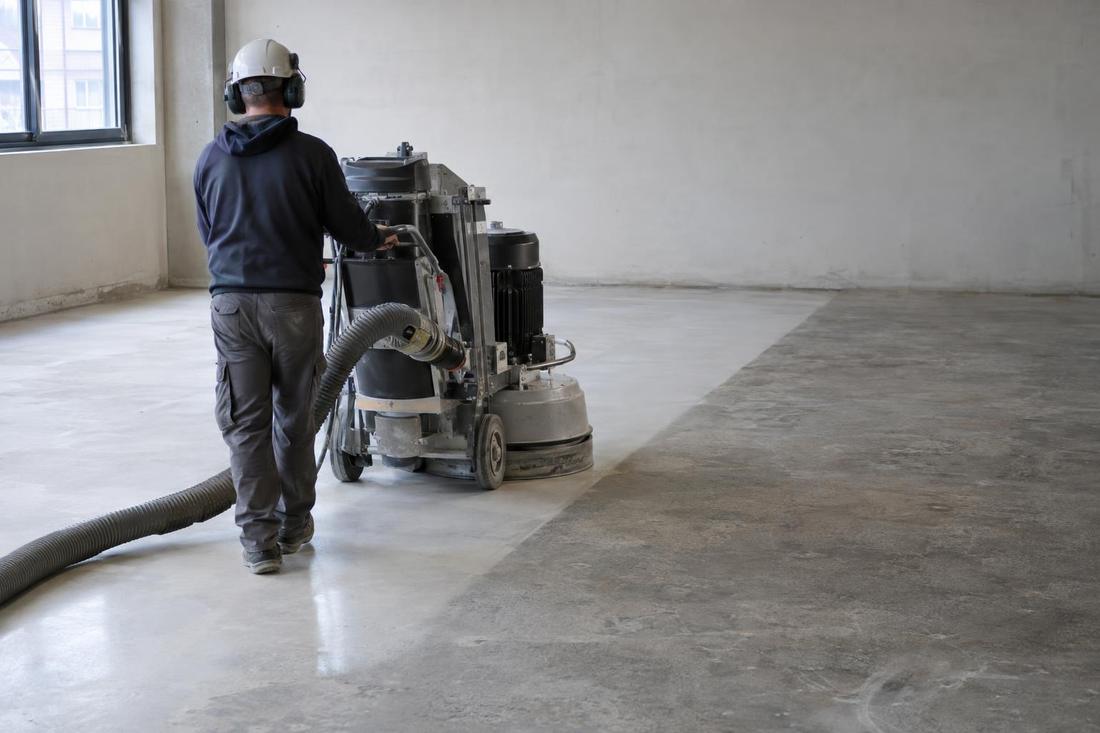
Work can be done in zones, after hours or over weekends to keep your business open. Dust control, noise and access should be planned in advance, and cure times determine when each zone returns to service.
A clear schedule helps staff and customers.
Care and long-term value
Regular cleaning, periodic burnishing and resealing keep floors looking sharp. A maintenance plan documents what to do and when.
Business owners across Nashville and Middle Tennessee often find that a polished floor outlasts several rounds of other coverings.
Official sources and further reading
- American Concrete Institute (ACI)
- American Society of Concrete Contractors
- National Ready Mixed Concrete Association
These are independent organizations. Links open in a new tab.
Quick answers
Can you finish our floor in phases?
Yes. We plan zones that keep your business running.
Is polished concrete good for forklifts?
A hardened polished floor handles them well, with filled joints and good flatness.