Key takeaways
- Polishing is a series of grinding steps with finer diamond abrasives.
- A densifier hardens the surface, and a guard protects it.
- The sheen depends on how far the grit sequence is taken.
- Slab condition decides how the finished floor will look.
Preparation and repair
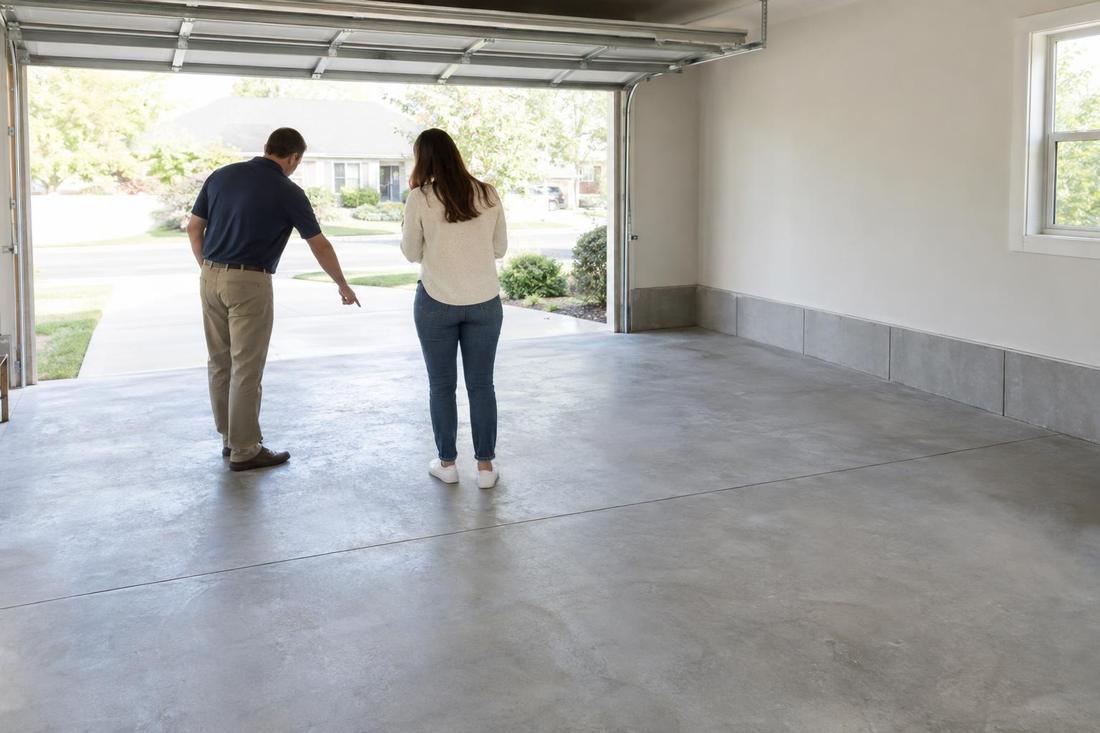
The floor is inspected, cracks and joints are repaired and old coatings or glue are removed. Edges and corners are ground by hand. This stage sets the foundation for everything else.
Hard, flat slabs polish more easily than soft or uneven ones.
Grinding and densifying
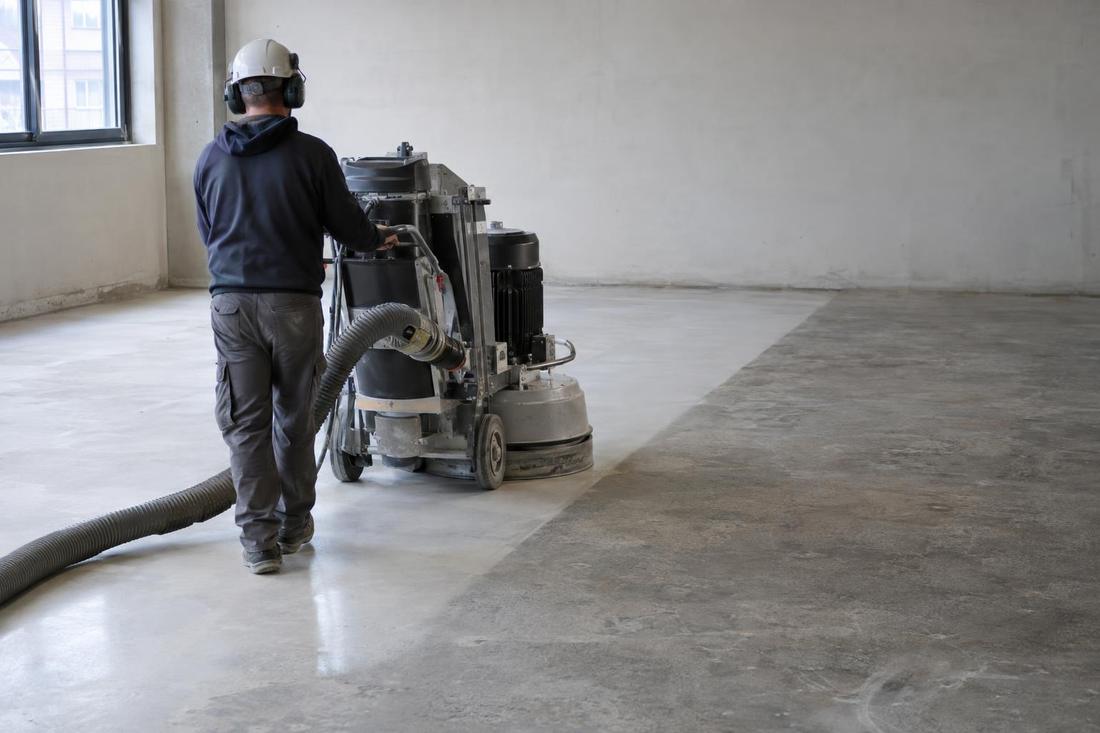
Coarse metal diamonds level the floor and open the surface. A densifier is then applied to harden the surface. After it cures, resin diamonds in finer grits begin the polish.
Each pass removes the scratches from the one before it.
Polishing and guarding
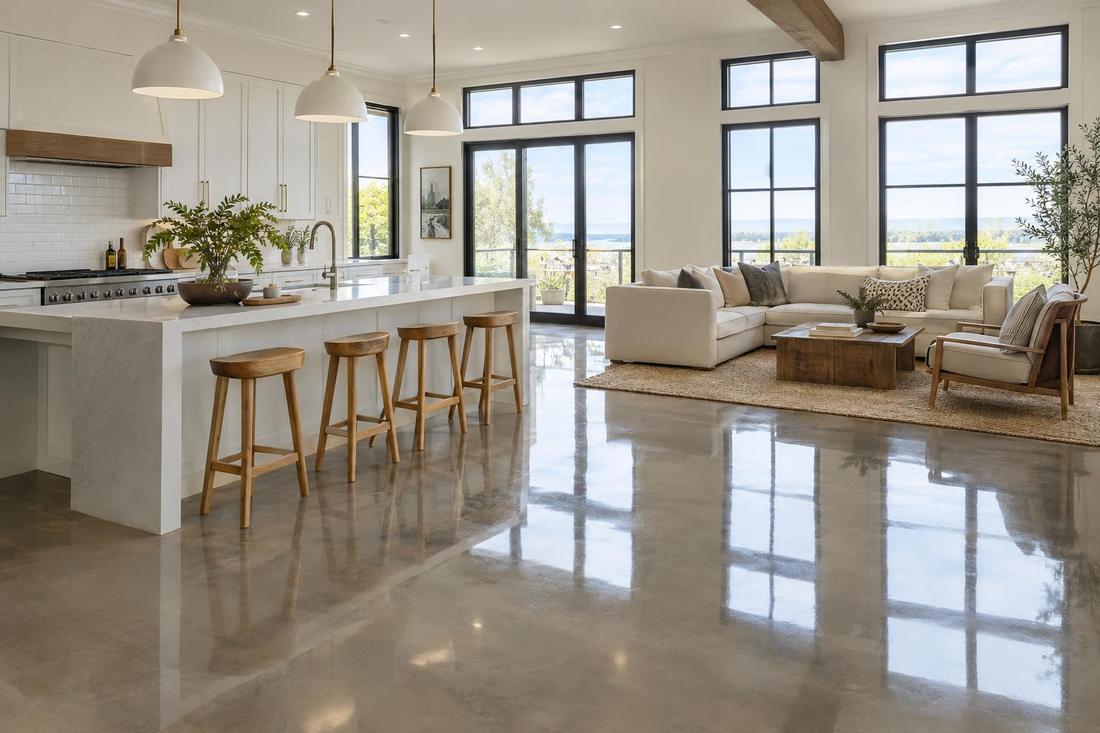
Finer and finer grits bring up the sheen, from a soft satin to a high gloss. A guard or sealer is applied to protect the surface and help it resist stains.
The number of steps depends on the shine you want.
What to expect
Polishing is a bit loud and dusty, though modern machines use vacuums. Floors are ready for light use soon after the final step, and you will get care instructions.
Homes in Nashville and surrounding counties often finish in a few days for a typical room set.
Official sources and further reading
These are independent organizations. Links open in a new tab.
Quick answers
How long does polishing take?
It depends on size, condition and sheen. We give a schedule after seeing the floor.
Can the sheen be changed later?
Yes. A floor can be taken to a higher sheen in a later visit.