Key takeaways
- Wet, oily or very smooth floors are more slippery.
- Textured finishes and anti-slip additives add grip.
- Cleaning habits and mats make a difference.
- Test samples in the conditions where the floor will be used.
What affects traction
Traction depends on the surface texture, the shoes, any moisture or contamination and the cleaning routine. Polished floors can be safe when dry but slick when wet. Oils and soap film reduce grip on any floor.
Different spaces need different levels of grip.
Ways to add grip
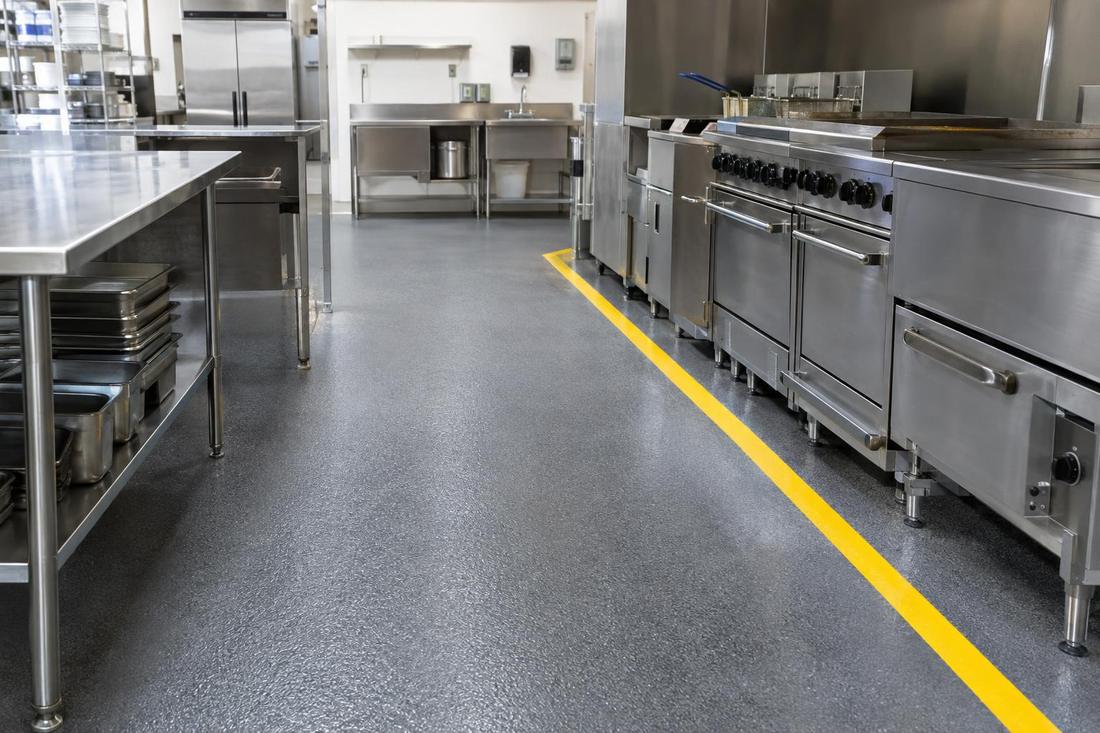
Fine aggregates can be broadcast into coatings and sealers, and textured sealers or a light surface profile add grip. Strips and safety lines mark steps and edges. The finish should balance traction with cleanability.
A sample on the floor lets you feel the difference.
Cleaning and habits
Remove oils and spills quickly, use cleaners that do not leave a film and use mats at entries. Dry mop wet areas and place warning signs when floors are wet.
Regular cleaning keeps traction treatments working.
Planning for safety
Think about kitchens, pool areas, ramps, garages and entries first. Choose a finish for each area and test it in realistic conditions. Slip resistance can be measured with standard tests when a specification requires it.
Homeowners and managers across Nashville often add grip only where it is needed, keeping the rest of the floor smooth.
Official sources and further reading
These are independent organizations. Links open in a new tab.
Quick answers
Is polished concrete slippery?
It can be when wet. Adding traction in wet areas keeps it safe.
Can I add grip later?
Yes. Textured sealers or coatings can be added to an existing floor.