Key takeaways
- Clear the room of furniture and belongings.
- Plan for noise, dust control and limited access.
- Tell the crew about cracks, past leaks and old coatings.
- Know how long you need to stay off the floor afterward.
Clear the space
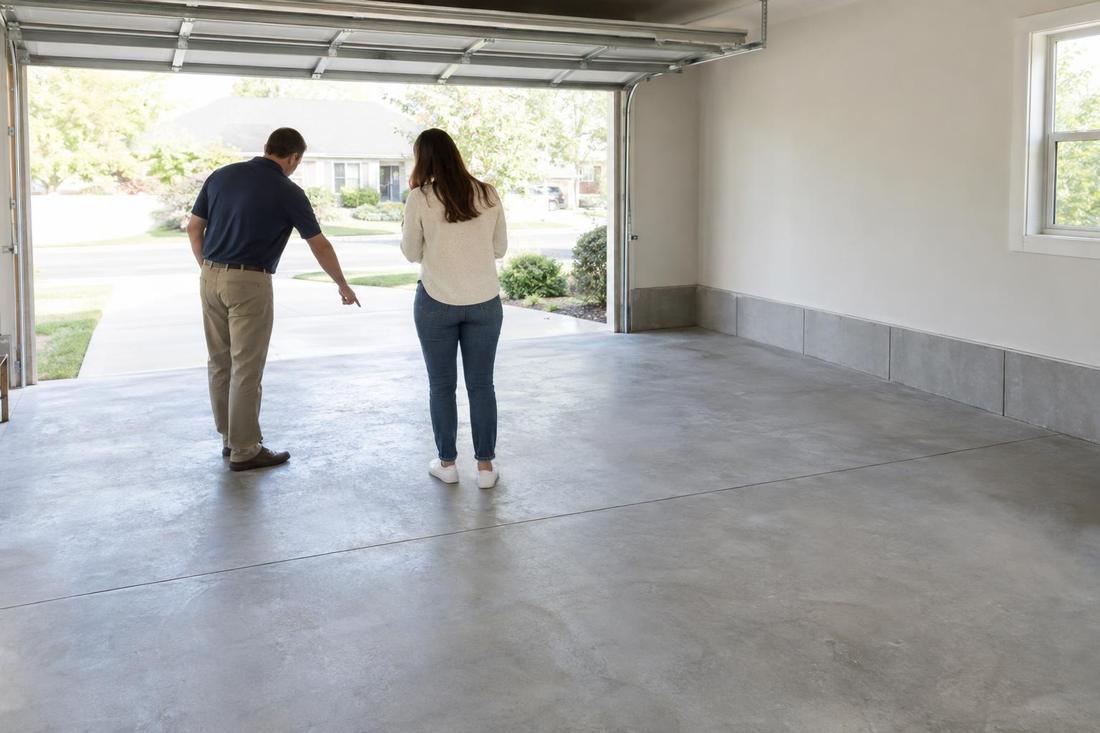
Move furniture, boxes and decorations out of the work area. Remove rugs and anything on the floor. In garages, empty cabinets or plan to shift them. A clear space speeds the work and protects your belongings.
Ask the crew what they can move and what you should.
Plan around the work
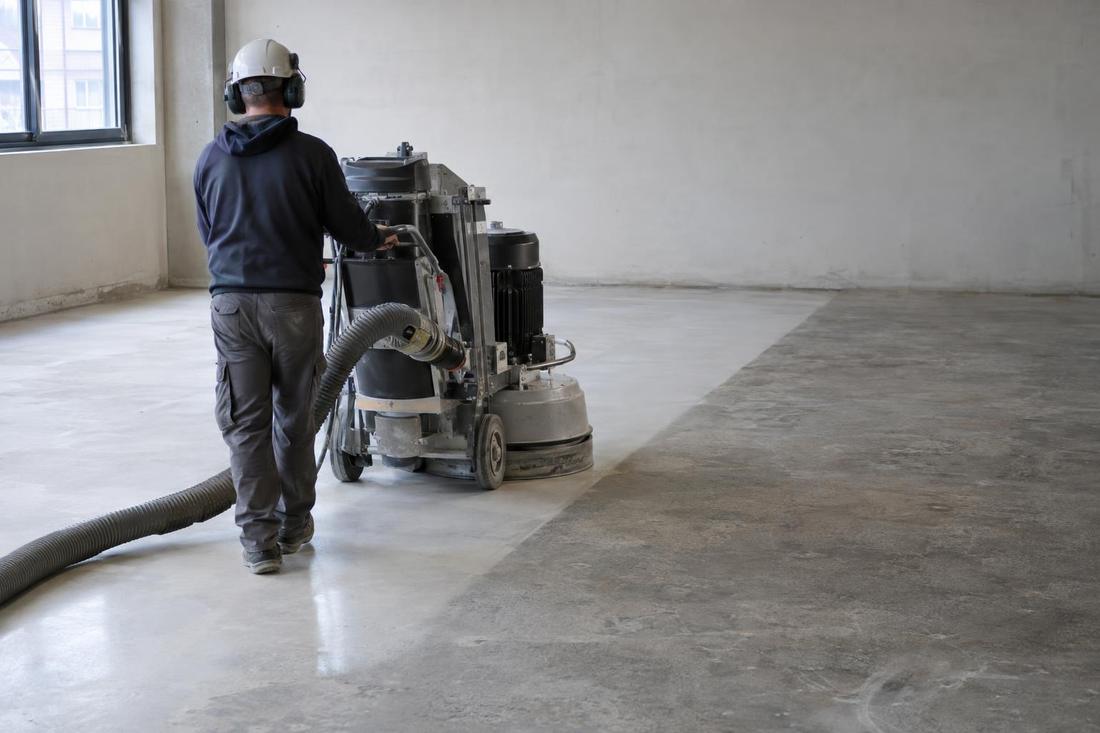
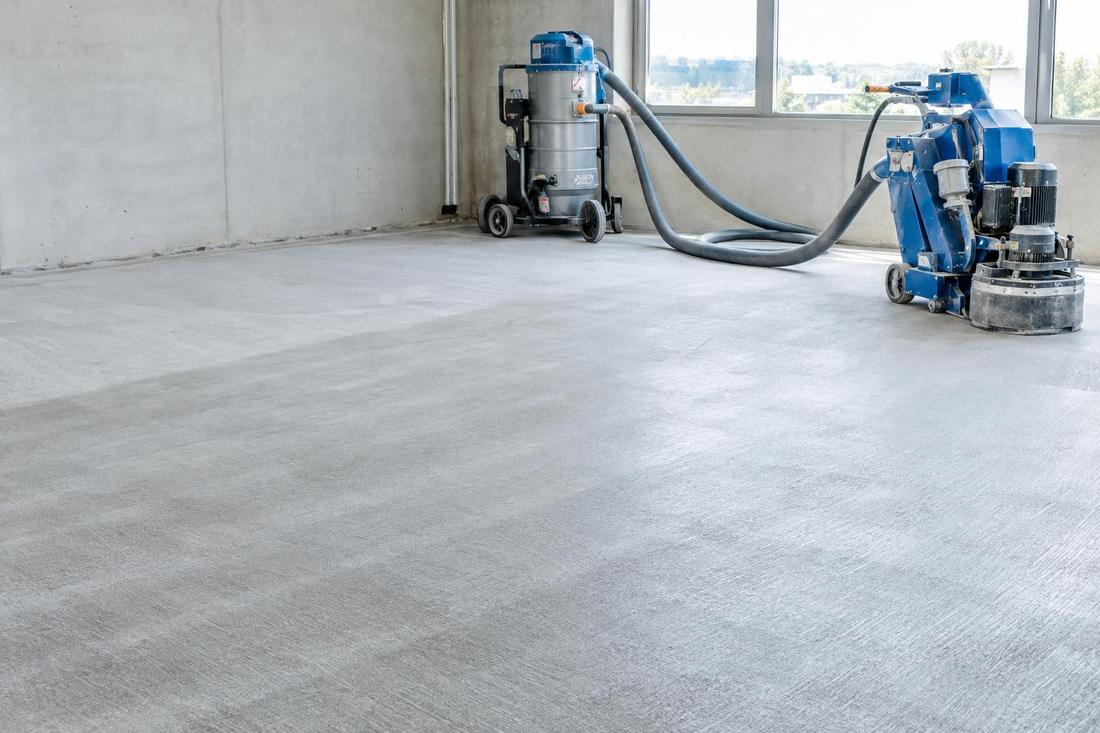
Grinding and polishing are loud, and some jobs involve vacuum equipment, hoses and cords. Plan for pets, children and anyone sensitive to noise. Ask about power and water needs, parking and access.
A short walkthrough with the crew lead helps everyone.
Share what you know
Tell the crew about leaks, past flooding, old coatings, repairs and any stains. This helps them choose methods and avoid surprises. Photos from earlier work are useful.
If the slab is new, mention when it was poured.
After the work
Ask how long to stay off the floor, when furniture can return and how to clean the new surface. Most floors need a short cure before heavy use.
Care instructions and a quick check after a week or two help your floor last.
Official sources and further reading
- American Society of Concrete Contractors
- American Concrete Institute (ACI)
- National Association of Home Builders
These are independent organizations. Links open in a new tab.
Quick answers
Do I need to leave the house?
Not usually, though some people prefer to stay elsewhere during the loudest steps.
Will dust get into the rest of the home?
Dust-controlled machines and barriers limit it, and we tell you what to expect.