Key takeaways
- Dust mop often, because grit scratches floors.
- Use a neutral cleaner and avoid acidic or harsh products.
- Wipe spills quickly, especially acids and oils.
- Plan periodic burnishing or resealing based on traffic.
Daily and weekly care
Sweep or dust mop to remove grit, which dulls a polished surface. Damp mop with a neutral-pH cleaner and clean water. Avoid vinegar and acidic cleaners, which can etch the surface and dull sealers.
Walk-off mats at doors catch much of the dirt.
Spills and stains
Wipe up spills quickly. Acids from drinks and cleaning products can etch some finishes, and oils can soak into unprotected concrete. A good sealer buys time but does not make a floor stain-proof.
Use felt pads under furniture.
Periodic care
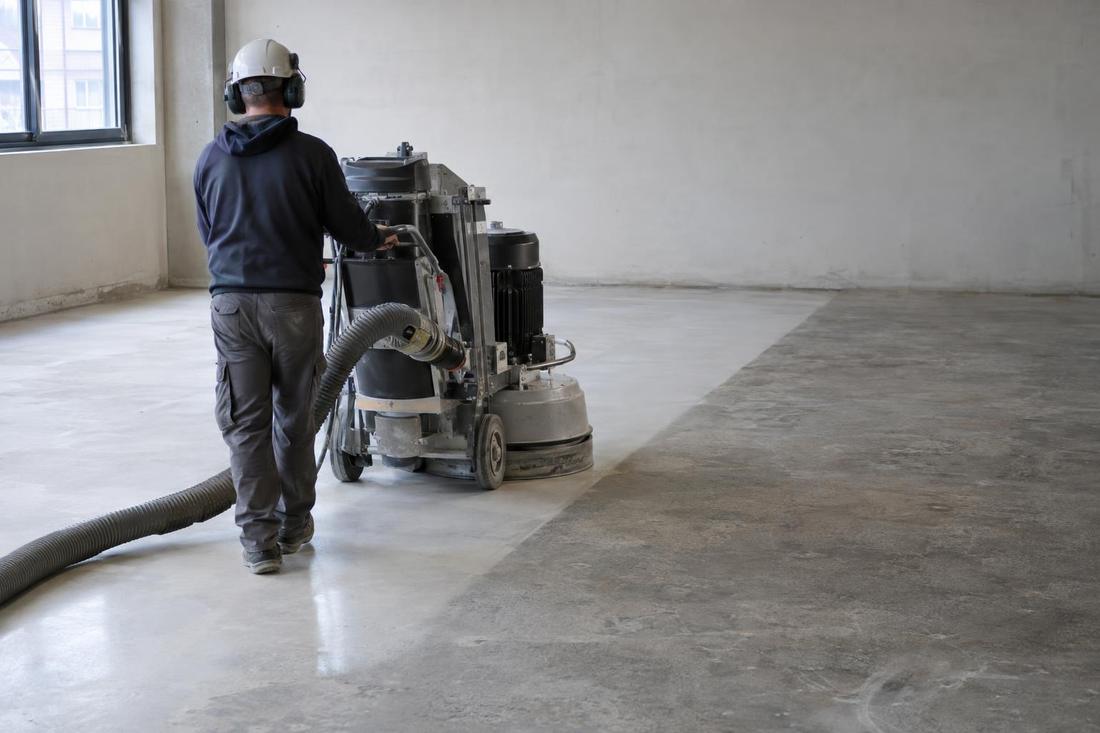
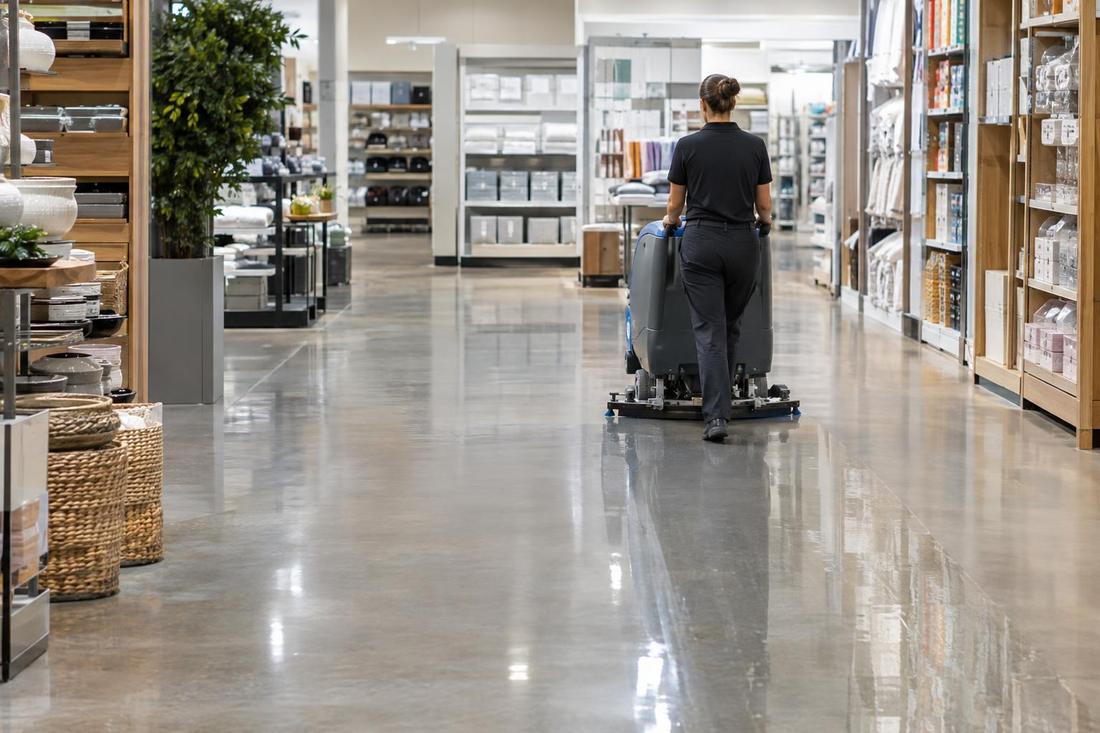
Polished floors in busy spaces benefit from machine burnishing every so often to restore shine. Sealed floors may need a fresh coat of sealer every few years depending on wear.
Your contractor can set a schedule that fits your traffic.
Things to avoid
Avoid wax and glossy floor finishes made for tile, which can cloud concrete. Avoid sliding heavy items. Avoid de-icing salts tracked in on shoes in winter.
For Nashville homes and shops, a simple routine and mats at the doors go a long way.
Official sources and further reading
These are independent organizations. Links open in a new tab.
Quick answers
Can I use a steam mop?
Usually not recommended, because heat and moisture can harm some sealers and coatings. Check with your installer.
How do I know when to reseal?
When water stops beading and stains soak in, it is time. Your installer can advise.