Key takeaways
- Test moisture before covering a basement slab.
- Garages need resistance to hot tires, oil and salt.
- Preparation matters more than the product.
- Repair cracks and pits before finishing.
Basements: moisture first
Basement slabs are in contact with the ground and can pass moisture vapor. Before polishing, staining or coating, a moisture test shows whether a barrier is needed. Skipping the test is a common cause of peeling and blisters.
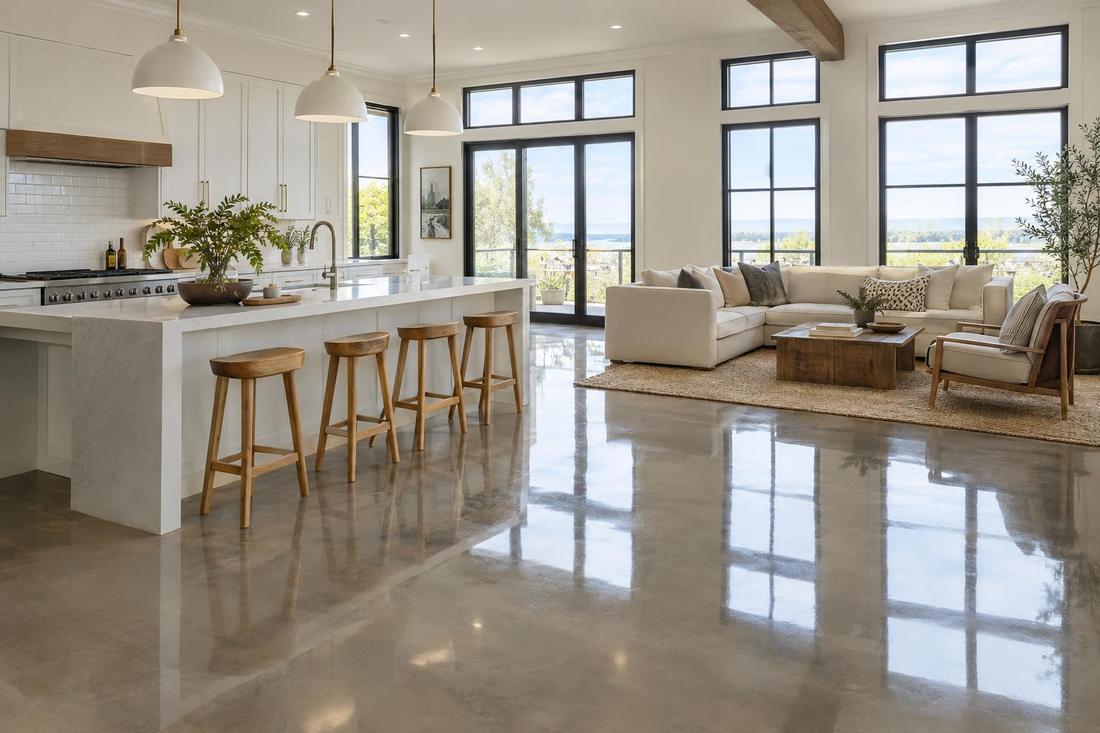
Once moisture is understood, polished or stained concrete works well for rec rooms and offices.
Garages: tough and clean
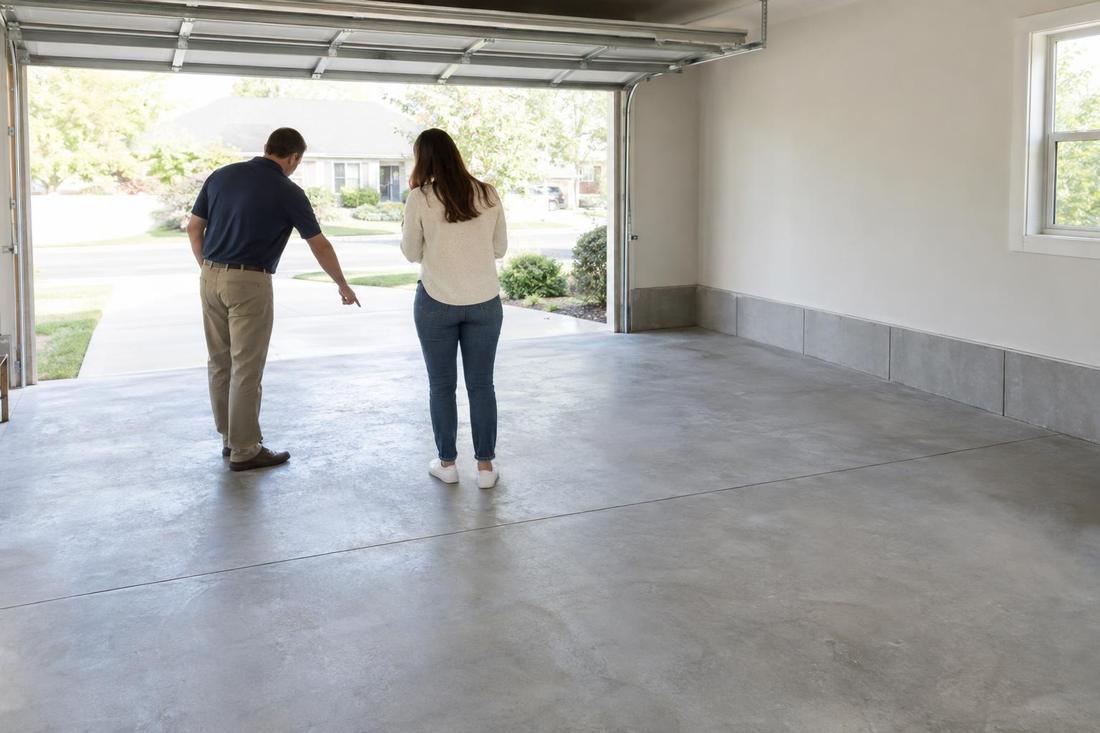
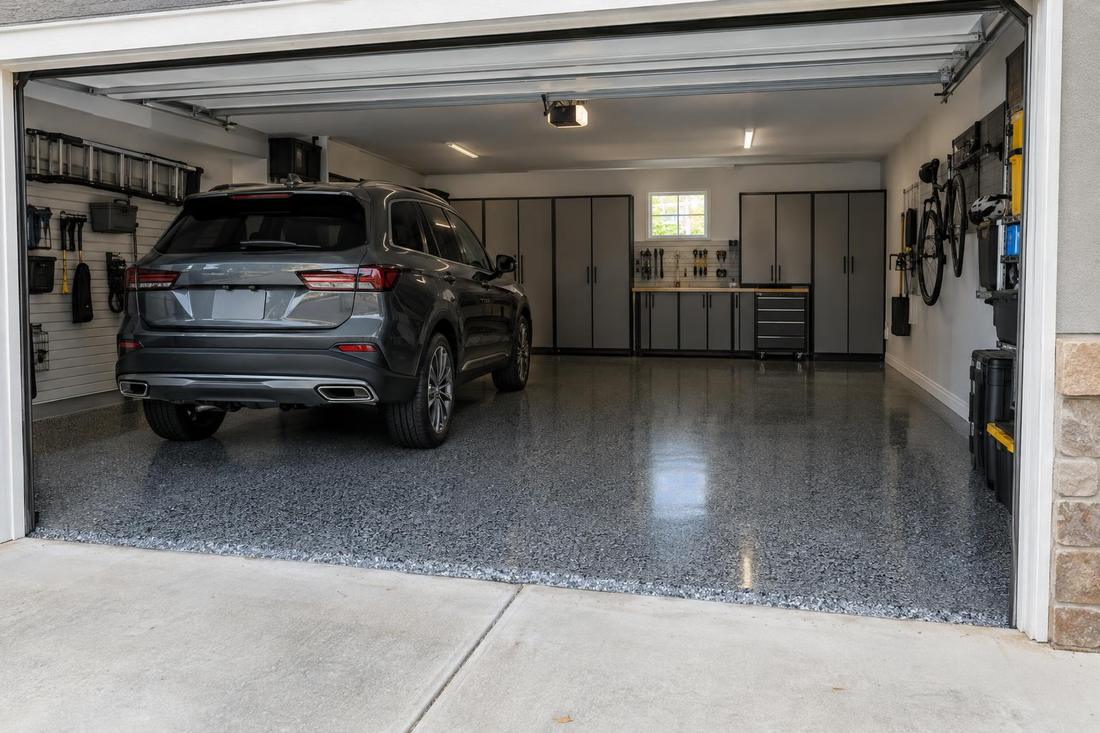
Garage floors face hot tires, oil, road salt and dragged tools. A flake or solid epoxy or polyaspartic system, or a sealed and polished floor, resists these better than bare concrete. Textured finishes add grip.
Clear topcoats make washing easy.
Preparation and repair
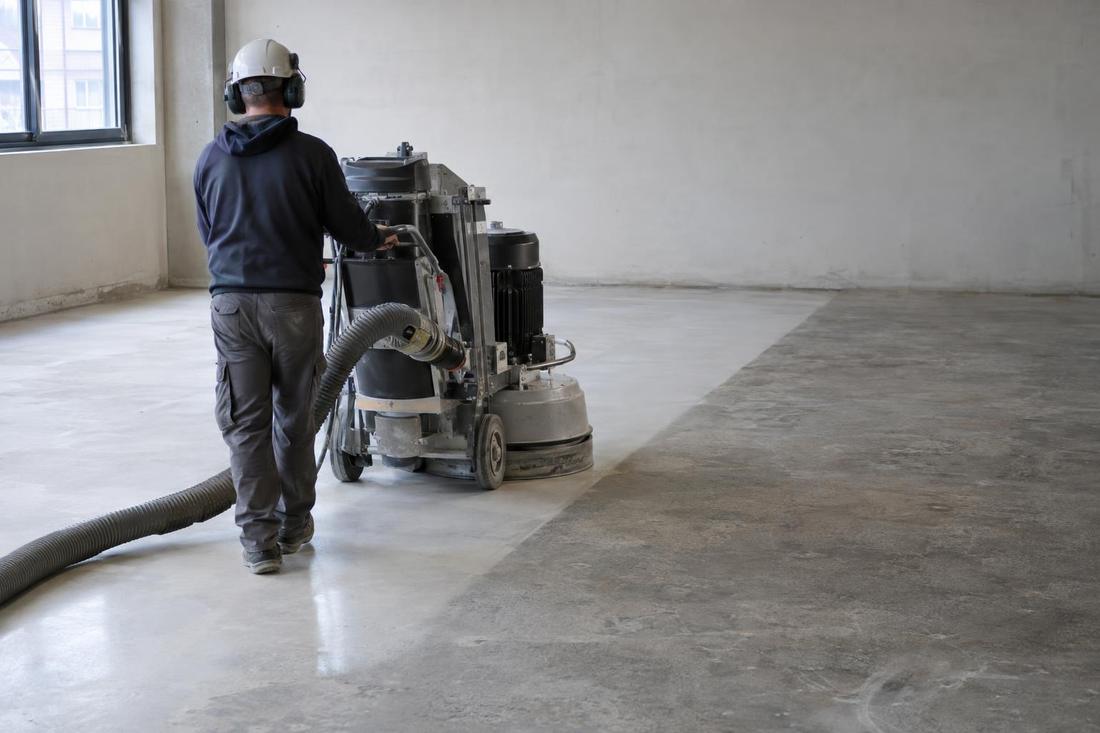
Diamond grinding opens the slab so coatings bond, and cracks and pits should be repaired first. Old sealers, paint and adhesives are removed. This takes time but makes the finish last.
A coating over an unprepared floor will usually fail early.
Planning the project
Think about how you use the space, whether you want color or a natural look and how much traction you need. A sample patch helps you choose.
Homeowners across Nashville and Middle Tennessee often finish a garage in one to two days and a basement in a few.
Official sources and further reading
- American Concrete Institute (ACI)
- National Association of Home Builders
- University of Tennessee Extension
These are independent organizations. Links open in a new tab.
Quick answers
Can I park on a new coating right away?
Cure times vary by system. We tell you when it is safe for foot and vehicle use.
Is polished concrete good in a garage?
Yes, with a good sealer and traction where needed, though coatings resist oil and chemicals better.